01
Verify Fitment
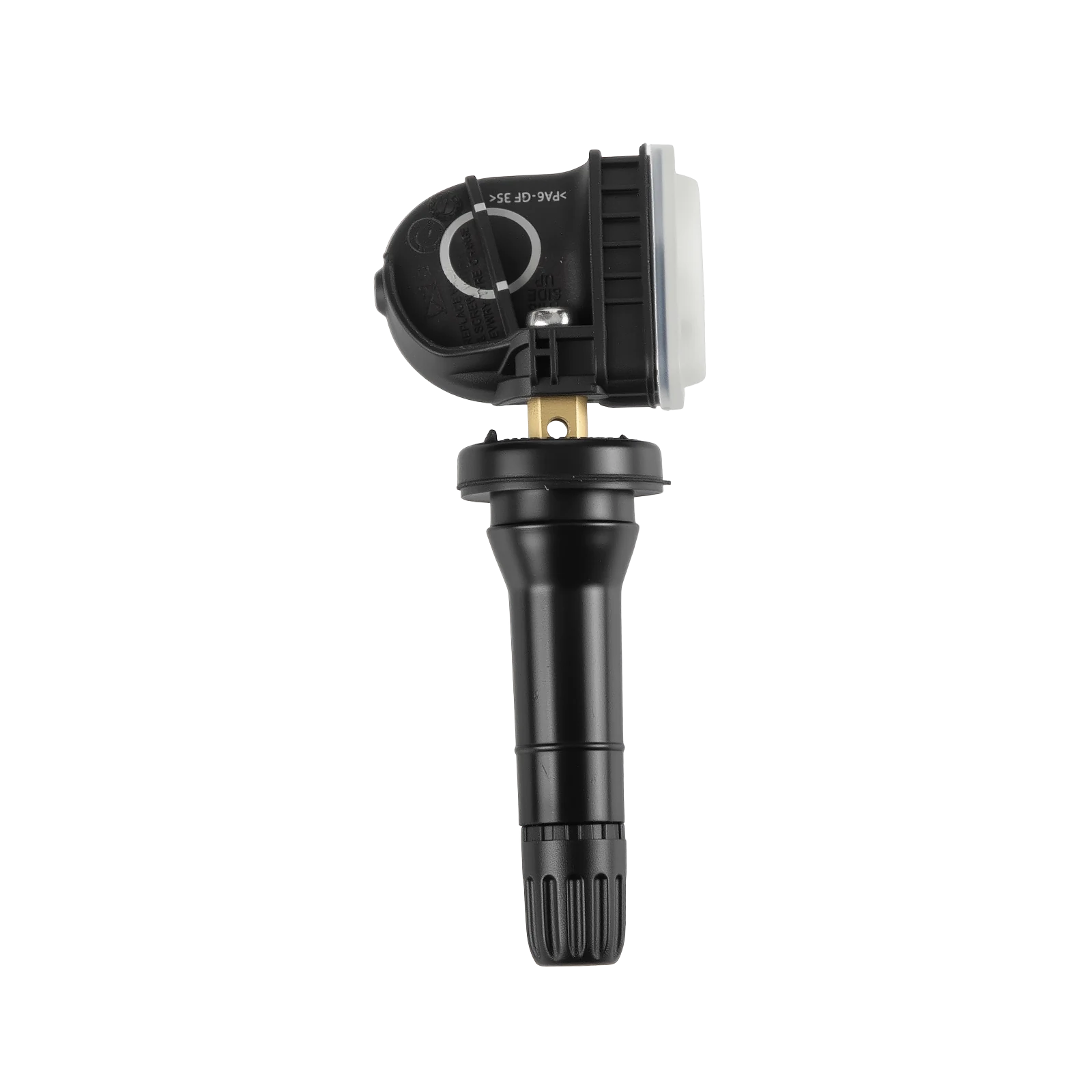
Match the vehicle year, make, model, sensor frequency, and OE part number. Compare the new sensor and valve stem with the original.

Tire Pressure Monitoring System
Follow a clear, sensor-safe process from checking fitment through sensor relearn and final inspection.
Follow a clear, sensor-safe process from checking fitment through sensor relearn and final inspection.
Installation support
Have your Amazon order number, vehicle details, and product information ready so our team can help.
Confirm
Confirm the part and scan the current system before taking anything apart.
Confirm the part and scan the current system before taking anything apart.
Match the vehicle year, make, model, sensor frequency, and OE part number. Compare the new sensor and valve stem with the original.
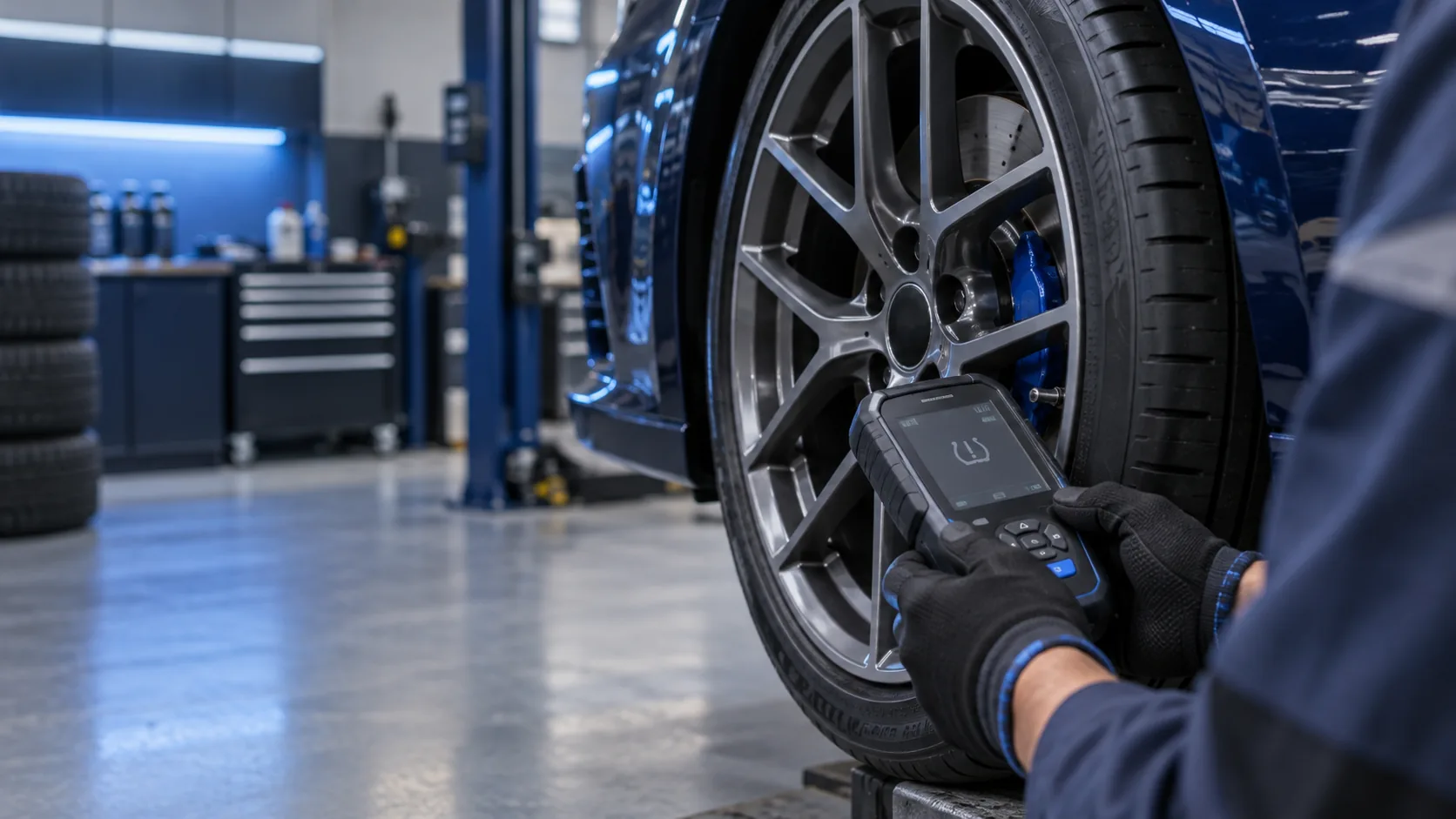
Use a compatible TPMS tool to trigger the new sensor. Confirm its frequency, sensor ID, and signal. If the tool cannot read it, stop and contact VELDUROVEL support.
Scan every wheel and record the sensor IDs and pressure readings. Note which wheel needs service.
Prepare
Find the sensor location before using the bead breaker or tire machine.
Find the sensor location before using the bead breaker or tire machine.
Remove the wheel as directed in the service manual and note its position. Remove the valve cap and core. Confirm the tire is fully deflated before breaking the bead.
Find the valve stem and sensor position inside the wheel. Keep the bead breaker and tire tools away from that area.
Follow the tire machine manufacturer’s sensor-safe procedure. Do not let the tire bead press against or strike the sensor or valve stem.
Install
Clean the valve opening and pull on the valve stem only—never on the sensor body.
Clean the valve opening and pull on the valve stem only—never on the sensor body.
Remove the old sensor and valve stem after the tire is safely off the wheel. Use a new TPMS service kit or new valve and sealing components as specified for the sensor. Do not reuse old sealing parts.
Clean the valve opening and the area around it. Stop if corrosion, sharp edges, or damage could prevent a good seal.
Apply an approved tire-mounting lubricant to the rubber valve stem. Attach the correct valve-stem puller and pull the stem straight through the valve hole. Do not pull on the sensor body. Confirm that the valve stem is fully seated.
Finish
Finish the job by checking for leaks and registering the new sensor with the vehicle when required.
Finish the job by checking for leaks and registering the new sensor with the vehicle when required.

Mount the tire while keeping tools away from the sensor. Inflate it to the cold pressure shown on the vehicle placard on the driver’s-side doorjamb or in the owner’s manual. Balance the wheel and check the valve stem for leaks.
Follow the vehicle’s relearn procedure to register the new sensor ID. Then confirm that each sensor reports normally and that the dashboard TPMS warning light turns off.